
Property Energy Autonomy Systems

CONCEPT
SHB is built around a simple but powerful idea: true energy independence is only possible when energy production, storage and utilization are designed as one intelligent system. Instead of treating solar power, batteries and heating as separate technologies, SHB integrates them into a single, property-specific energy ecosystem that is optimized as a whole.
At the heart of the system is the property-level battery. It acts as the central nervous system of the energy ecosystem, balancing production, consumption and storage in real time. Solar energy is generated on-site, stored efficiently in the battery system and distributed exactly when and where it creates the most value. This allows the property to actively manage energy flows rather than react to external price signals or grid limitations.
The system continuously optimizes itself through intelligent control and market-aware logic. Energy is stored, used or shifted based on demand, pricing and system conditions, ensuring stability and resilience even when external conditions change. In critical situations, the battery enables the property to operate independently, significantly improving energy security and operational continuity.
Energy efficiency is maximized across the entire ecosystem. Waste heat generated during power conversion is recovered and reused for heating and cooling, transforming unavoidable losses into usable energy. The result is a fully integrated, low-emission and future-proof energy solution that reduces dependence on the national grid and gives property owners long-term control over cost, risk and sustainability.

SUN
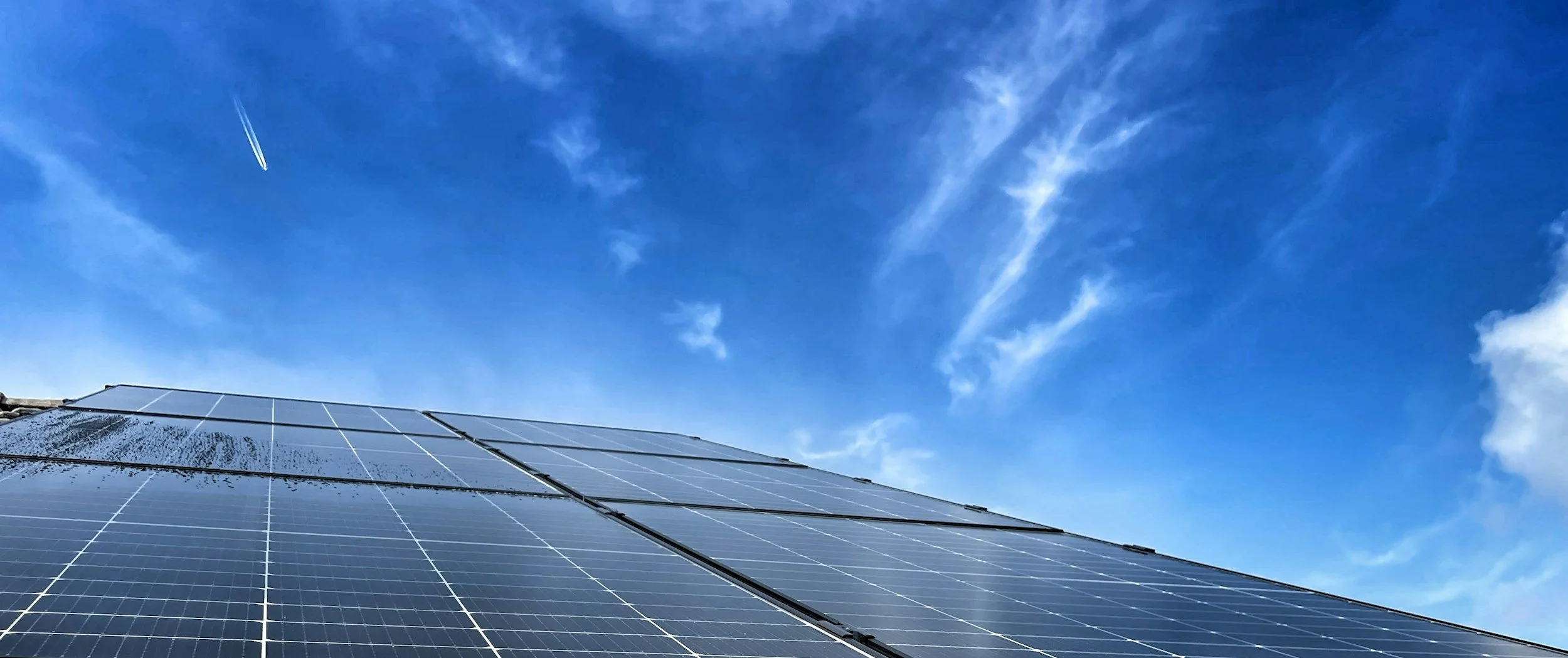
The sun is the foundation of the SHB energy ecosystem. It provides clean, locally generated electricity that enables properties to dramatically reduce emissions and dependence on external energy sources. By producing power directly where it is used, solar energy forms the first and most essential layer of long-term energy independence.
Solar production in the SHB system is designed around reliability and integration, not maximum theoretical output. Electricity generated on-site is immediately available for the property’s needs or stored in the battery system for later use. This ensures that solar power remains a controllable asset rather than a fluctuating input tied to weather or grid conditions.
By anchoring the entire system in renewable production, SHB creates a stable and future-proof starting point for the energy ecosystem. Solar energy feeds not only electrical loads, but also enables downstream optimization across storage, heating and intelligent control — setting the stage for true system-level efficiency.

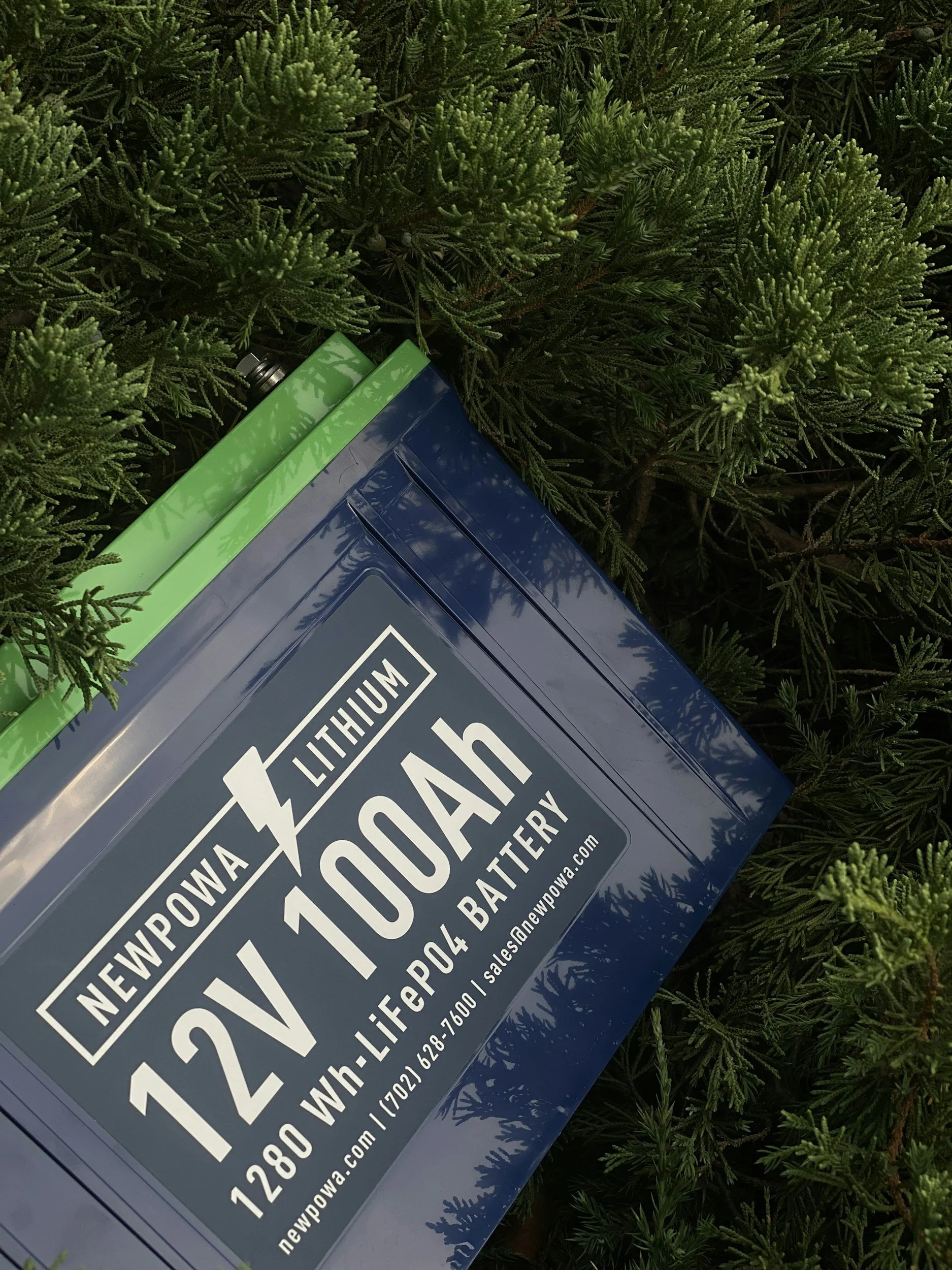
Heat is where system-wide efficiency becomes tangible. In the SHB ecosystem, thermal energy is not treated as a by-product, but as a valuable resource that is actively recovered and reused. This approach transforms unavoidable energy losses into a central part of the property’s heating and cooling strategy.
During operation, the battery system and its power conversion equipment generate significant amounts of waste heat. Instead of dissipating this energy, SHB captures it and integrates it directly into the property’s liquid-based heating infrastructure, heat pumps and geothermal energy piles. This creates a tightly coupled relationship between electrical operation and thermal performance.
As a result, the property can be heated and cooled primarily using internally generated thermal energy. This reduces or eliminates the need for external heating sources, lowers overall energy demand and enables a fully emission-free thermal system that operates independently of the national grid.
Heat


Bess
The Battery Energy Storage System (BESS) is the operational core of the SHB ecosystem. While solar energy provides production and heat recovery maximizes efficiency, the battery is what enables control, resilience and intelligence at the property level.
The BESS continuously balances production, consumption and storage using AI-driven optimization. Electricity is stored when conditions are favorable and released when it creates the most value — whether that value is economic, operational or related to system stability. This transforms energy from a passive commodity into an actively managed resource.
Beyond optimization, the battery provides critical resilience. In the event of grid disturbances, outages or periods of insufficient solar generation, the BESS supplies reliable backup power to essential functions for several days if needed. This ensures continuity, operational security and long-term control — regardless of external conditions.

THE SHB ADVANTAGE
One system instead of many moving parts
Most energy solutions add complexity. SHB removes it. Production, storage, heating and control are delivered as one integrated system, with a single point of responsibility and no fragmented vendors to manage.
Energy you can rely on — even when the grid cannot
SHB is designed for continuity. By combining local production, intelligent storage and internal energy use, properties can maintain stable operation and protect critical functions even during extended grid disruptions.

A solution that still makes sense in 10–20 years
Energy decisions made today must withstand future regulation, market shifts and sustainability requirements. SHB is built to meet long-term carbon neutrality targets and evolving standards without costly retrofits or redesigns.
A partner that stays accountable
SHB is not a one-off delivery. It is a service-based partnership that starts in planning and continues through operation and optimization — ensuring performance, reducing risk and supporting long-term value.

BUILT FOR THE MODERN DAY ENERGY USERS
SHB is designed for organizations that depend on reliable energy every day — and want more control over how it is produced, used and managed. It is built for operators who think long term, value stability and want energy solutions that work in real-world conditions.
Commercial property owners and operators
Office buildings, mixed-use properties and retail centers that need predictable energy costs, reliable operation and systems that support long-term property value.

Industrial and manufacturing facilities
Sites where energy availability directly affects production, safety and delivery schedules — and where downtime is not an option.
Logistics centers and distribution hubs
Operations that run around the clock and depend on uninterrupted power for automation, cold storage and fleet operations.

Healthcare and public sector facilities
Hospitals, care facilities and public buildings where continuity, safety and resilience are essential — not optional.

Energy-intensive real estate portfolios
Facilities where power stability, cooling and reliability are critical for day-to-day operation and business continuity.
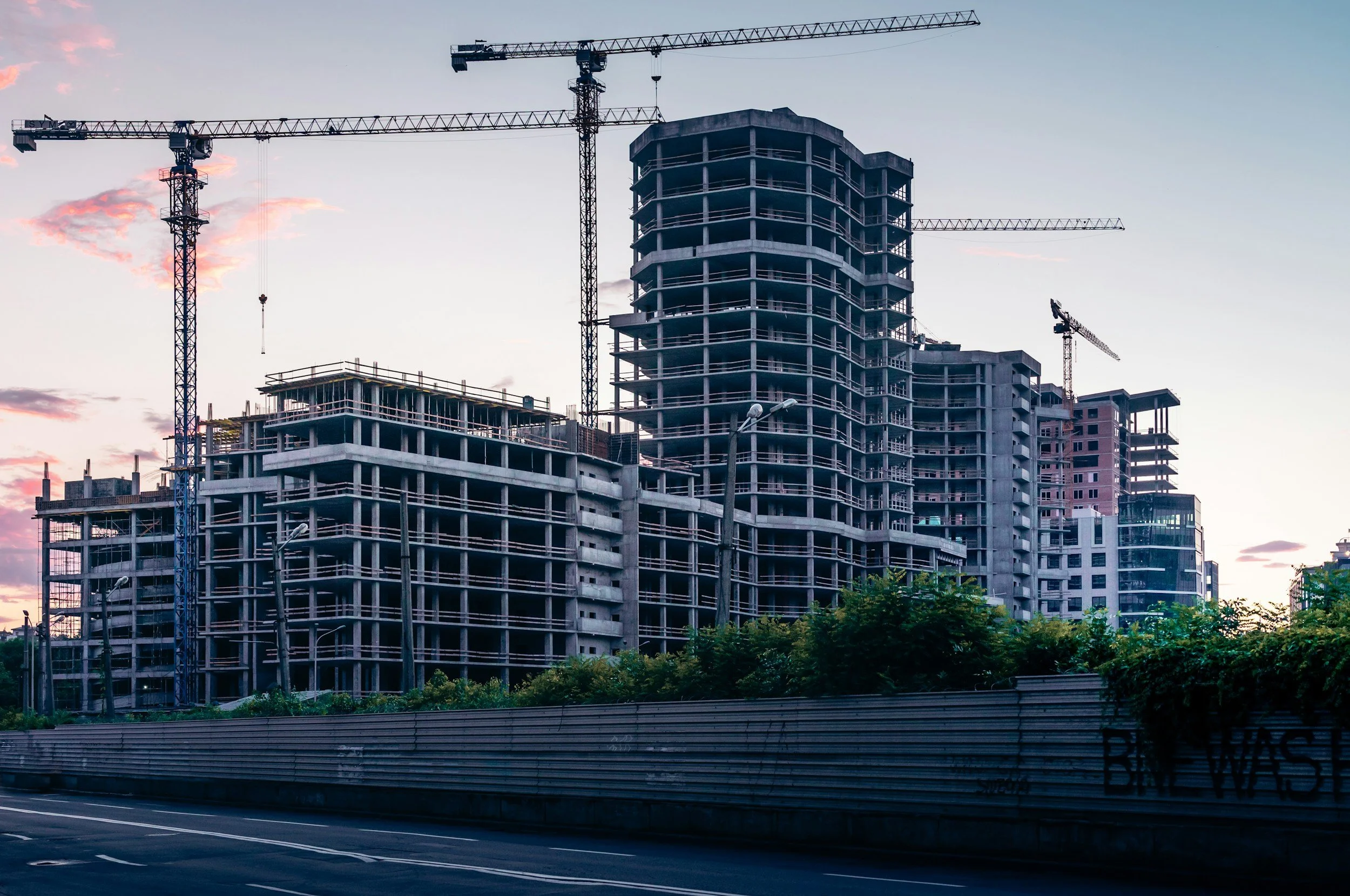
Municipalities and urban development projects
Cities and developers building new districts or upgrading existing infrastructure to meet long-term climate and resilience goals.
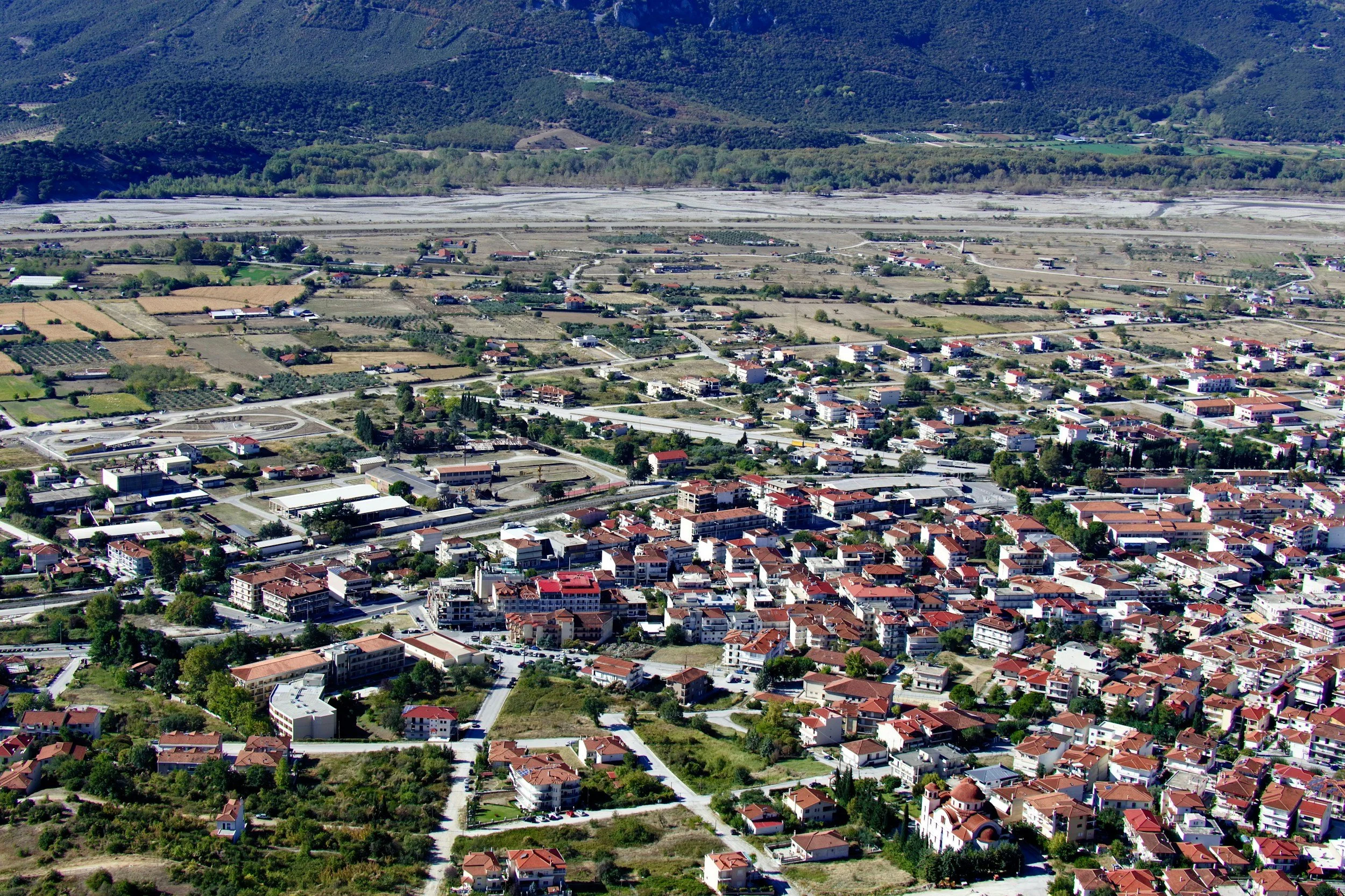
Data-driven operations and digital infrastructure
Investors and operators managing multiple properties who want scalable, repeatable solutions without adding operational complexity.